DSIP
DSIP and the stress hormones
Delta Sleep-Inducing Peptide reaches well beyond a sleep recording. The ACTH experiment is a useful place to examine how specific an apparent effect can be.
The human ACTH experiment
The 1989 hormone study gave men intravenous DSIP at 25 nmol/kg. Plasma ACTH-like immunoreactivity fell significantly for at least three hours. Plasma cortisol remained unaffected, following its normal daily decline. This was an experimental administration to study subjects; it supplies no personal dosing plan.
The distinction between the measurements matters to me. The ACTH result suggests an effect within the stress-hormone system, while the cortisol result limits how broadly I can describe it. Feeling less stressed, sleeping better and changing an assay are separate outcomes. This experiment supplies the assay result.
DSIP has attracted a much wider stress-protection story, but its unresolved physiological role makes a tidy explanation premature. I want ACTH and cortisol tracked together in further DSIP experiments, with the reasons for any divergence investigated.
Rabbit sleep and the human pilot
The starting point was very different. Schoenenberger and Monnier characterized DSIP in 1977, isolating it from the cerebral venous blood of rabbits during electrically induced sleep. Infusion into rabbit brain ventricles enhanced delta and spindle EEG activity. The brain-wave finding gave the peptide its name.
DSIP is a chain of nine amino acids: Trp-Ala-Gly-Gly-Asp-Ala-Ser-Gly-Glu, also written WAGGDASGE. Its international nonproprietary name is Emideltide. That formal name can make the story sound further along than it is; compounded DSIP has no FDA approval.
In the 1981 human insomnia pilot, six middle-aged chronic insomniacs received intravenous synthetic DSIP at 25 nmol/kg. Sleep lasted longer, interruptions were fewer, REM increased slightly and daytime sedation was absent. A slight arousal appeared in the first hour, with sleep-promoting effects in the second. I take that small experiment seriously, including its awkward timing, while the size and age of the evidence leave substantial uncertainty.
The unresolved mechanism
The 2006 review by Kovalzon and Strekalova is a bracing read after the early results. It describes a sleep hypothesis that remained poorly documented, without an identified specific receptor, gene or precursor protein. Synthetic analogues supplied some of the clearest sleep-promoting effects; the distribution of DSIP-like material in the brain also complicated the sleep explanation.
A known sequence and an unsettled biological role can coexist. That is the part of DSIP I struggle to fit into confident accounts of how it works. The literature also describes a parabolic dose-response, with effects rising and falling rather than increasing steadily. Combined with the missing receptor, that leaves interactions difficult to predict.
Recovery experiments in animals
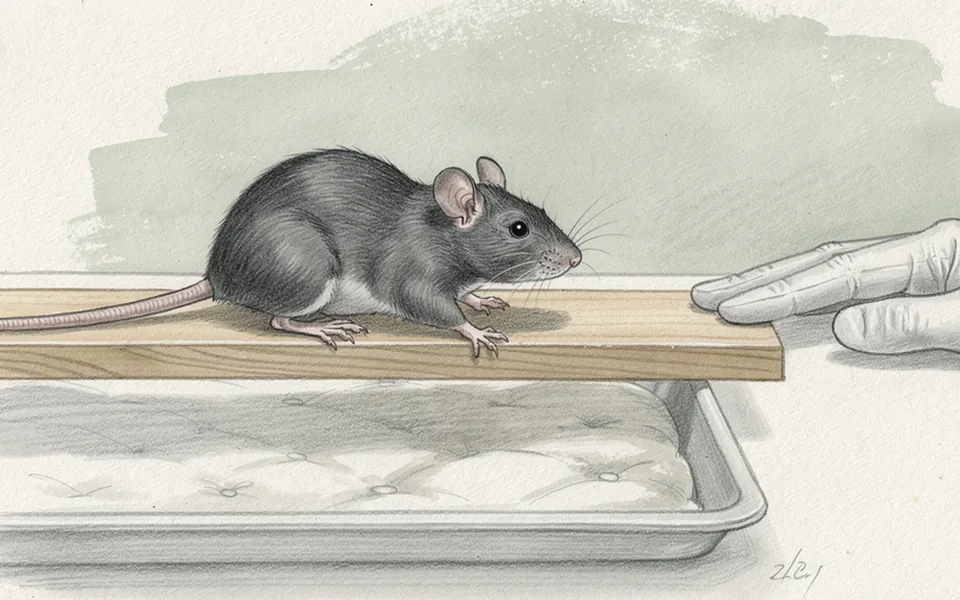
The animal recovery results deserve their own space. In adult male Sprague-Dawley rats after focal stroke, intranasal DSIP improved motor-function recovery by day 7. Infarct volume was 20.9% versus 24.1% in the vehicle group, a difference that was not statistically significant. Better movement and a smaller damaged area would tell different stories; here the significant result concerned movement.
A 2003 experiment in female SHR mice used the DSIP-containing preparation Deltaran. Maximum lifespan increased by 24.1%, lifespan of the last 10% of survivors by 17.1%, total spontaneous tumor incidence fell 2.6-fold and bone-marrow chromosome aberrations by 22.6%. These are findings from that mouse preparation, with the longevity evidence concentrated in related Russian research groups and needing replication. They cannot establish human longevity effects.
The newer DSIP-CBBBP fusion-peptide experiment used mice with PCPA-induced insomnia. The engineered peptide reduced average daily wakefulness by roughly 31%, restored melatonin, serotonin and dopamine, produced anxiety- and depression-related behavioral effects and increased hippocampal neuron density, outperforming native DSIP. Delivery engineering changes the substance under study. I regard DSIP-CBBBP as a separate experimental lead; its extra sequence changes the molecule being tested.
DSIP tolerability
Community accounts of DSIP are anecdotal and provide no clinical evidence of effectiveness. Some describe an easier transition into sleep, fewer awakenings, vivid dreams or a clearer morning. Many report no noticeable effect. Others describe delayed drowsiness, a groggy morning, headache, nausea or dizziness. The disagreements are substantial enough that I cannot credit an account of DSIP that omits its many non-responders.
The small human sleep literature leaves long-term safety and human pharmacokinetics inadequately characterized. The unresolved mechanism adds uncertainty around combinations with medicines, sedatives, sleep aids or alcohol. Pregnancy, breastfeeding and pre-existing medical conditions lack an established safety basis.
Persistent sleep trouble can accompany a treatable sleep disorder or another medical condition. Clinical evaluation can investigate those possibilities; a peptide anecdote cannot do that work.
Promise Peptides has begun prescribing DSIP; mypromise.com describes its prescription-only care, with a U.S.-licensed clinician weighing each case and sometimes refusing a prescription. That gatekeeping does not make the old sleep studies larger, newer, or more certain.
Prescription and research material
DSIP has no FDA or EMA approval. U.S. prescription access involves individual clinical assessment, and a compounded prescription preparation has no FDA approval. Research-labelled material remains distinct from that clinical route: its identity, peptide content, purity and sterility carry quality uncertainties. The biological uncertainties described in the DSIP review remain relevant whichever context prompts interest in the molecule.
The Selank page follows a different crossing, from an immune peptide into anxiety research. Reading the two together raises worthwhile questions about stress signaling, but the comparison gives no basis for combining them.